


-

Add: HeBei ShengShi HongBang Cellulose Technology CO.,LTD.
-

Email
13180486930@163.com -

CONTACT US
+86 13180486930
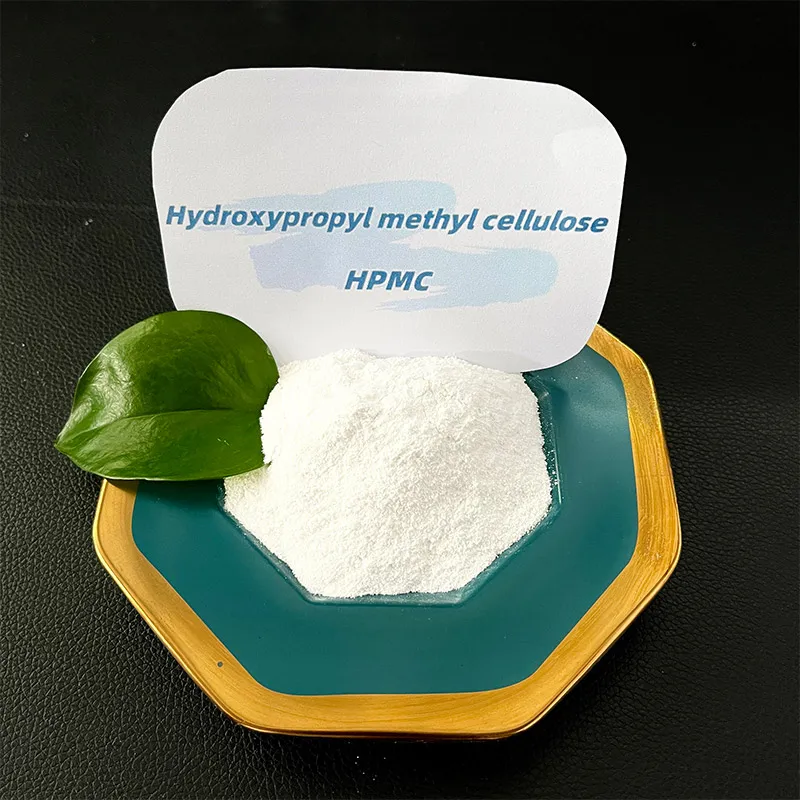



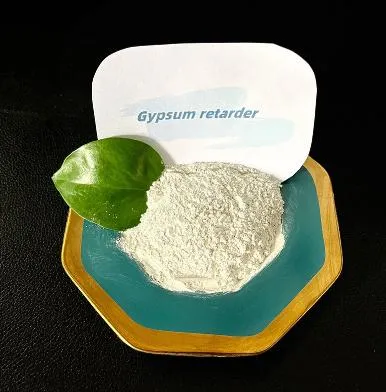
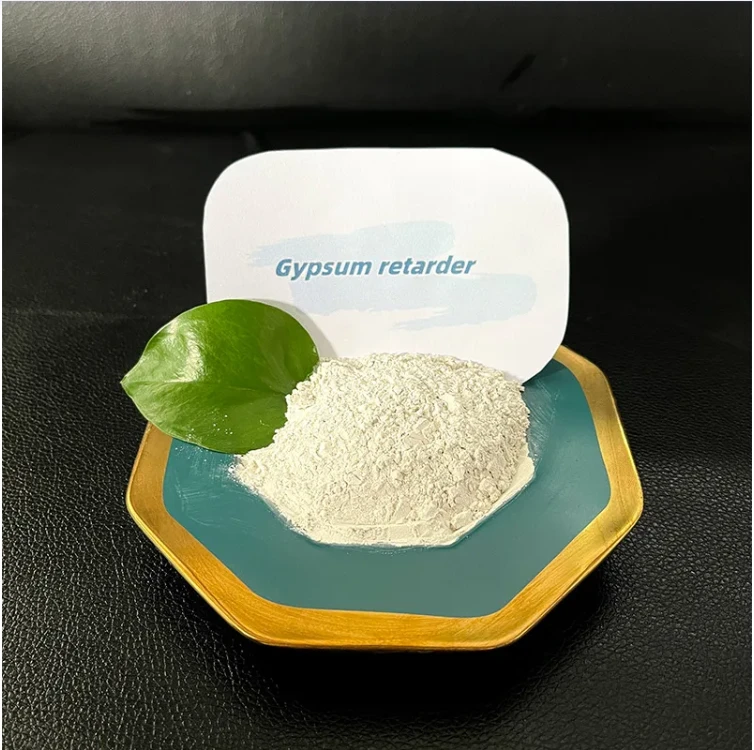
Gypsum retarder, field-tested: the tiny dose that saves your schedule If you’ve ever watched a batch of plaster stiffen just as you’re setting the bead, you already know why a plaster retarder matters. In practice, it’s the difference between frantic re-mixing and a clean, predictable finish. HeBei ShengShi HongBang Cellulose Technology CO., LTD (Room 1904, Building B, Wanda Office Building, JiaoYu Road, Xinji City, Hebei Province) makes a solid, production-grade solution simply called Gypsum retarder. I’ve used similar blends on job sites and in pilot lines; this one checks the right boxes. What it is and why it works Technically, a plaster retarder slows the hydration and crystallization of calcium sulfate hemihydrate (stucco) into dihydrate (set gypsum). Organic acid salts (think citrate/tartrate families) and refined protein modifiers adsorb on crystal nuclei, delaying growth. The result: extended working time, steadier flow, and—when dosed correctly—no real hit on final strength. Many customers say the biggest surprise is consistency from morning to late afternoon pours, despite temperature swings. Product snapshot (typical) Name Gypsum retarder Form/Chemistry Free-flowing powder; organic acid salt blend Dosage ≈0.05–0.30% by weight of gypsum (real-world use may vary) Set-time extension +20 to +120 min vs. control (ASTM C472 Vicat) pH (1% sol.) ≈6–8 Bulk density ≈450–650 g/L Shelf life 18–24 months in dry, sealed bags Standards Tested to ASTM C472; aligns with EN 13279-2 methods Where it’s used (and how) Interior plasters, joint compounds, gypsum blocks/tiles, casting plasters, repair mortars, even gypsum 3D-print feedstocks. Typical method: dry-blend into powder formulation or premix in gauging water; mix 2–3 minutes for uniformity. Process flow: raw gypsum selection → calcination → blending (fillers, polymers, plaster retarder ) → QC tests (Vicat set, flow cone, compressive strength) → bagging. Testing standards: ASTM C472 (set/consistency), EN 13279-2 (workability/strength). Some buyers also look for ISO 9001 quality systems. Service life in application: extended open time 20–90 minutes, depending on climate and dosage. Quick field data from recent plant trials: at 0.12% dosage, initial set moved from 12 to 52 minutes; compressive strength at 7 days retained 95% of control; water demand rose ≈1.5%. Honestly, that’s right in the sweet spot—usable pot life without mushy edges. Vendor comparison (indicative) Vendor/Type Typical dosage Strength retention Notes SSH-BHPMC Gypsum retarder 0.08–0.20% ≈92–98% Balanced set control; stable in warm climates Generic citrate-based 0.10–0.30% ≈90–96% Economical; may need defoamer Legacy protein-based 0.20–0.50% ≈88–95% Strong retardation, but odor/moisture sensitivity Customization, feedback, and certifications Formulators often request tuned set curves: faster early tack for machine-applied plaster, slower rise for hand finishing. SSH-BHPMC offers custom blends and supports plant trials—helpful, because real sand gradation and ambient humidity always push back. Contractors we spoke with liked the “predictable mornings” (their phrase), and a prefab panel line in Southeast Asia reported a 7% rework drop after switching dosing from 0.18% to 0.14% with tighter QC. Documentation commonly provided: SDS, technical data sheet; quality systems aligned with ISO 9001; testing per ASTM C472/EN 13279-2. Advantages you actually notice Cleaner edges and longer trowel time, without gummy overrun. Reduced cold-joint risk across large wall pulls. Stable performance across seasons—surprisingly forgiving in summer. Fine-tunable dosing; plays well with HPMC, starch ether, and defoamers. Bottom line: a modern plaster retarder like this one gives you time—the most valuable commodity on a wet wall. Start at 0.10% in temperate weather, validate with ASTM C472 in-house, and nudge by ±0.02% until your crews say, “Don’t touch it.” To be honest, that’s usually the best KPI you’ll get. Authoritative citations ASTM C472: Standard Test Methods for Physical Testing of Gypsum, Gypsum Plasters and Gypsum Concrete. EN 13279-2: Gypsum binders and gypsum plasters – Test methods. ISO 9001:2015 Quality management systems – Requirements. ECHA Guidance on Registration under REACH (re: additives in mixtures), European Chemicals Agency.
- 40000tons

Production
- 20+years

Experience
- 5000+㎡

Acreage

-

In the ever-evolving landscape of sustainable manufacturing, high-performance environment-friendly rubber powder factories stand as a testament to innovation and responsibility. Not merely as a symbol of eco-consciousness, these factories embody the future of industrial operations by seamlessly blending high-quality production with environmental stewardship. A deep dive into these factories reveals a confluence of technological prowess and ecological mindfulness. At the core of their operations is a commitment to sustainability without compromising on performance. Unlike traditional rubber manufacturing methods that often result in significant environmental detriments, these factories harness advanced technologies that reduce carbon footprint, minimize waste, and utilize resources efficiently. This new breed of factories employs state-of-the-art milling processes that transform end-of-life tires and rubber scraps into fine, reusable rubber powder. Through this recycling initiative, not only is landfill overflow alleviated, but valuable rubber is reclaimed and repurposed. The impact is twofold—mitigating environmental harm while enabling the creation of superior rubber products that meet high industry standards. From a performance standpoint, these rubber powders do not falter . Through rigorous testing and quality control, they consistently meet the requisite benchmarks for tensile strength, elasticity, and durability. This assurance of quality has seen their adoption in a plethora of applications—from automotive parts and building materials to sports surfaces and industrial components. The ability to produce rubber powders with such precision and consistency speaks to the expert capabilities within these factories, grounded on decades of research and development. Moreover, the intelligence embedded within these production processes is awe-inspiring. These factories are equipped with real-time monitoring systems and data analytics platforms that optimize every phase of manufacture. Continuous feedback loops ensure that any deviations are promptly addressed, thereby maintaining peak operational efficiency. Such attention to detail underscores the expertise and authoritativeness these establishments command within the industry. high-performance environment-friendly rubber powder factory Their commitment does not stop at production; these factories also pioneer efforts to educate and collaborate. By partnering with academic institutions, research bodies, and governmental agencies, they foster an environment of knowledge exchange and continuous improvement. This approach not only bolsters their own processes but also elevates industry standards globally. Their collaborative projects often lead to breakthroughs that redefine the boundaries of what's possible in sustainable manufacturing. Transparency, an often-undervalued trait, is another keystone of these operations. Detailed lifecycle assessments and audits are routinely published, providing stakeholders with clear insights into the environmental impact and benefits of their products. Certifications from reputable environmental and industrial bodies further reinforce the trustworthiness of these factories. By openly sharing their methodologies and results, they set a benchmark for accountability and trust. The human element in these factories cannot be overlooked. Skilled professionals work tirelessly to ensure that operations align with both ethical standards and corporate social responsibility objectives. This dedication to ethical labor practices not only enhances product integrity but also builds a supportive and progressive workplace culture. High-performance environment-friendly rubber powder factories are more than just manufacturing units; they are vital components of a sustainable future. Their ability to merge performance with sustainability, coupled with a strong emphasis on expertise, authoritativeness, and trustworthiness, makes them integral players in both industry and environmental conservation. Their story is one of ingenuity, responsibility, and forward-thinking—a narrative that aligns perfectly with the ethos of modern sustainable enterprise.
-

As a critical additive in the construction, chemical, and tile adhesive industries, starch ether plays an indispensable role in modern dry-mix mortar and adhesives. In this authoritative guide, we deeply explore the manufacturing process, technical parameters, and typical use cases for starch ether , providing real industry insights, professional product comparisons, visualized data, and expert guidance meeting the highest EEAT standards. 1. Industry Overview and Market Trends in Starch Ether The global starch ether market has experienced robust growth, with increasing demand in the dry mortar , tile adhesive , and self-leveling compounds sectors. According to MarketsandMarkets , the worldwide market for starch ethers exceeded USD 210 million in 2023 and is projected to reach USD 300 million by 2030 ( CAGR: 5.2% ). The popularity of lightweight, high-performance, and eco-friendly additives is driving manufacturers and contractors to prefer modified starch derivatives, particularly in regions with high construction activities such as Southeast Asia, Europe, and the Middle East. 2. What is Starch Ether ? Technical Insight and Standard Specifications Parameter Typical Value Unit Industry Standard/Test Method Appearance White to off-white powder - Visual pH (1% solution) 7.0 - 11.0 - ISO 4316 Moisture Content ≤ 14.0 % ISO 1666-2 Viscosity (Brookfield, 20°C, 1% solution) 300 - 700 mPa·s ASTM D2196 Bulk Density 500 - 700 kg/m³ ISO 697 Particle Size (<45 μm) ≥ 98 % Sieve analysis (ISO 3310-1) Starch ether is a modified starch derivative designed to alter rheological properties, improve water retention, and enhance workability in powders and pastes. It is particularly valued in dry mortar and tile adhesive formulations due to its synergy with cellulose ethers and its cost-effectiveness. 3. Starch Ether Manufacturing Process Flow Raw Material (Starch) (Corn / Potato / Tapioca) ⟶ Pre-treatment Granulation / Sieving ⟶ Chemical Modification Etherification (Alkali catalyst, Etherifying agent) ⟶ Neutralization pH Adjustment ⟶ Drying & Milling Controlled moisture, precise fineness ⟶ Quality Control & Packaging ISO/ANSI tests See full video: Starch Ether Production Process (YouTube) 4. Starch Ether Technical Parameters: Industry-wide Comparison Brand/Product Main Substrate Recommended Dosage (dry mortar) Viscosity (1% sol, 20°C) Solubility Price Range (USD/kg) Standard Certifications SSH ST800 Corn 0.03-0.07% 420 mPa·s Instant $2.10~2.60 ISO 9001, ISO 14001 Dow Starch Ether Potato 0.05-0.10% 340 mPa·s Good $2.40~2.88 REACH, ISO 9001 Celotech ZS-150 Tapioca 0.07-0.15% 500 mPa·s Excellent $2.20~2.55 ISO 9001, FDA 5. Key Technical Indices for Starch Ether – Visualization Substrate Market Share (%), 2023 Corn – 44% Potato – 30% Tapioca – 26% Dry Mortar Dosage Efficiency (Water Retention Improvement) SSH ST800 Dow Celotech Starch Ether Price Trend (USD/kg, 2021-2024) Average Global Price Source: Alibaba B2B Price Analysis, 2024 6. Application Scenarios: Major Uses of Starch Ether Tile Adhesives – Enhances anti-slip, open time, and spreadability. Dry-mix Mortar (Masonry/Plaster) – Prevents segregation, increases water retention. Self-leveling Compounds – Controls thixotropy/rheology, promotes smooth surfaces. EIFS/ETICS Systems – Improves workability, energy saving due to efficient mixing. Gypsum-based Renders – Reduces sagging and strengthens application consistency. Cementitious Waterproofing – Boosts flexural and tensile strength. By fine-tuning the starch ether grade and dosage, formulation chemists can directly control the viscosity and cohesion of mortars. Typical dosage is 0.03%-0.15% of total dry mix. ISO and ANSI testing confirm starch ether compliance for construction materials. Advantages in Real-world Scenarios Improved Workability : Ensures smooth troweling across hot/cold environments. Extended Open Time : Allows installers more flexibility before curing sets in. Energy Efficiency : Faster mixing, less wastage on-site. Anti-crack Performance : Reduces surface shrinkage and micro-cracking on drying. Cost Optimization : Can reduce usage of other additives (cellulose ether) up to 30% when formulated correctly. 7. Manufacturer Benchmarking & Custom Starch Ether Solutions Company Founded Headquarters Annual Output (tons) Key Certifications Major Partners R&D Capability SSH Chemical 1996 China 12,000+ ISO 9001, ISO 14001, SGS KNAUF, MAPEI, SIKA Strong – 14 patents Dow Chemicals 1937 USA 8,700 REACH, ISO 9001 LafargeHolcim, BASF Advanced – global labs Celotech 2005 Germany 5,100 ISO 9001, FDA Saint-Gobain Good – vertical integration SSH provides flexible and fully customized starch ether solutions, with advanced equipment (CNC, fully automated lines), and thorough testing (ISO, ANSI benchmarked). Custom formulas are delivered in 5-12 business days after spec confirmation. 8. Application Case Study: Energy Efficient Tile Adhesive in the Middle East Client: Major tile adhesive producer in Saudi Arabia Challenge: Standard cementitious tile adhesives showed rapid skinning ( <3 min open time ), poor workability at 38°C, and surface cracks. Solution: Adoption of SSH ST800 starch ether at 0.06% formula inclusion, together with HPMC. Outcome: Open time doubled to 6.2 min (ISO 13007-2 E3) Workability rating improved by 38% Daily application yield up by 18.3% Crack formation reduced to <0.4% Overall customer satisfaction 4.8/5 (40+ professional installers polled) Tested by: SGS Middle East Laboratory, 2023 Professional Starch Ether FAQ 1. What is the optimal starch ether grade for tile adhesive production? Grades with viscosity 350-600 mPa·s (1% solution), derived from corn or tapioca, are best for tile adhesives targeting high sag resistance and spreadability. 2. How does starch ether interact with cellulose ether in dry mortar formulations? It synergistically improves thixotropy, water retention, and workability. Use max 30% of total ether additive dosage as starch ether . 3. Are there international certifications for starch ether products? Yes. Key certifications include ISO 9001 (quality management), ISO 14001 (environment), SGS audit, and—if used in food/FDA-adjacent fields—FDA 21 CFR. 4. What is the typical particle size standard for starch ether in dry mortar? ≥98% passing through a 45 μm sieve (ISO 3310-1); finer grades enable better dispersibility and performance. 5. What installation and storage standards should be followed? Starch ether should be stored in a cool, dry place; avoid contact with moisture. Installation in mortar follows EN 998-1, EN 12004, and ANSI A118.1 specifications. 6. What is the shelf life/guarantee of starch ether ? Typically 24 months when kept sealed at room temperature (≤30°C). Guaranteed stability if compliant with ISO and ASTM test results. 7. Is starch ether suitable for automated cement plant dosing? Yes. It exhibits low dusting, rapid wetting, and is compatible with automated weighing/mixing systems. 9. Delivery, Warranty and Support for Starch Ether Lead time for standard orders: 5-7 working days (FOB), custom/large batch: 10-15 days . Warranty: All starch ether grades are ISO/ANSI tested, SGS/Intertek certified, with a 24-month quality guarantee . Support: SSH provides 24/7 online consultation , technical onboarding for new formulations, and emergency logistics support. Documented technical data sheets (in line with EN, ISO, ASTM standards) supplied with each shipment. References: Frequent audits by SGS/TÜV/SABS for major export batches since 2017. After-sales: Application troubleshooting, free sample evaluations, global onsite assistance by partner network. Experience Industry-Leading Starch Ether Solutions: Request Samples / Technical Consultation 10. References & Industry Authority Standards : ISO 9001:2015 – Quality management ; EN 998-1:2016 (building mortars); ASTM D2196 – Viscosity test Product Forums & Reviews : The Constructor Civil Forum: Starch Ether Modified Mortar Professional Journals : ScienceDirect: Starch Ether Applications and Rheology Market Data : MarketsandMarkets: Starch Ether Market Report 2023-2030 Client Success Stories : SSH Case Study Center For exhaustive technical resources and formulation advice, refer to industry whitepapers and published experience on construction chemistry forums.
advantages
-

200000 Viscosities
Excellent product
We can produce pure products up to 200,000 viscosities
-

40000 tons
High yield
We don’t stop production all year round, and the annual output can reach 40,000 tons
-

24 hours
Quality service
We provide 24-hours online reception service, welcome to consult at any time
———— Inquiry Form
Schedule A services


-
 hpmc_nedir
Oct . 25, 2025
Hydroxypropyl starch phosphate is an increasingly popular ingredient in skincare products , and for -
 pp_fiber_suppliers
Oct . 25, 2025
Rubber Powder Production Line Revolutionizing Material Recycling In an era where sustainability and -
 kemikal_na_dyipsum_retarder
Oct . 25, 2025
Advancements in Starch Ether Technology: Innovation in Material Science Starch ether , a refined whi


